































































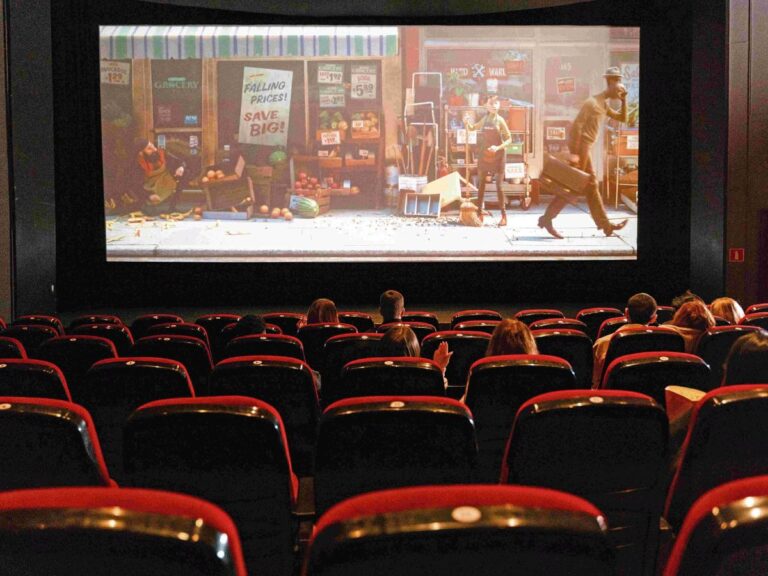
Ads were entertaining and intriguing to look at back when they stayed within the confines of television, newspapers, or banners. Decades later, they’ve seeped through the cracks and can now be found pretty much everywhere, even in movie theatres. Their increasing number and frequent appearances before a movie starts have become a growing shared frustration for moviegoers globally.
Indian movie theatre chains, particularly big players like PVR INOX, Cinepolis, Carnival, and others, can learn a lot from the recent actions of AMC Theatres in the US. AMC faced backlash from major studios and is now working to shorten its pre-show. The situation in the US provides a clear roadmap for how Indian chains can improve customer experience and strengthen their relationship with both audiences and content creators.
The main issue here isn’t the trailers, but the non-film commercials. Prominent movie studios in Hollywood have voiced concerns about the long ad blocks, which often lead to moviegoers arriving late and, in turn, missing the trailers, which are an important marketing tool.
According to an internal study reported by Deadline, nearly 80% of the test audience wasn’t in their seats even four minutes before the main movie started.
These types of scenarios are fairly common in India, too. Here, the pre-show is a mix of mandatory public service announcements, promotions for the cinema’s food and beverage offerings, and a slew of third-party commercials. These ad slots not only test the patience of the audience but also spoil their mood for the rest of the movie. Worse, they reappear during the interval slot as well.
The trailers are part of the experience and key to promoting future cinema-going, which is why they deserve more focus from top Indian theatre chains instead of non-film ads. As for the latter, they should be reduced in both runtime and frequency.
Earlier this year, AMC announced a notice on its ticketing portal:”Please allow 25–30 extra minutes for trailers and additional content.” While well-intentioned, it backfired, giving viewers a solid reason to arrive late to skip unrelated ads.
In India, we don’t see this level of clarity. A movie ticket might say the show starts at 7:00 PM, but the main movie doesn’t begin until much later. This highlights a deeper issue within Indian theatre chains.
There’s no denying that the post-pandemic era hasn’t been kind to movie theatres globally. Which is why they’re constantly under pressure to grow revenue. In India, especially, the situation is more complicated, as most Hindi movies released in theatres since 2020 have substantially failed at the box office.
Adding fuel to the fire is the dramatic growth of the Indian OTT landscape. However, prioritising short-term ad revenue over long-term customer experience is a risky gamble.
It’s not like Indian theatre chains aren’t doing anything. For instance, PVR INOX has introduced ad-free options on some of its luxury screens. This strategy allows them to cater to a premium audience that values their time and is willing to pay for an uninterrupted experience.
But still, Indian movie theatre chains have a long way to go. By learning from AMC’s missteps and adopting a more thoughtful, customer-centric approach, Indian theatre chains can not only solve the problem of excessive ads but also improve the movie-going experience, ensuring audiences continue to see value in leaving their homes for the magic of the big screen. Stay tuned for more updates.
We’re hiring!
We are hiring two full-time junior to mid-level writers with the option to work remotely. You need to work a 5-hour shift and be available to write. Interested candidates should email their sample articles to [email protected]. Applications without a sample article will not be considered.
