































































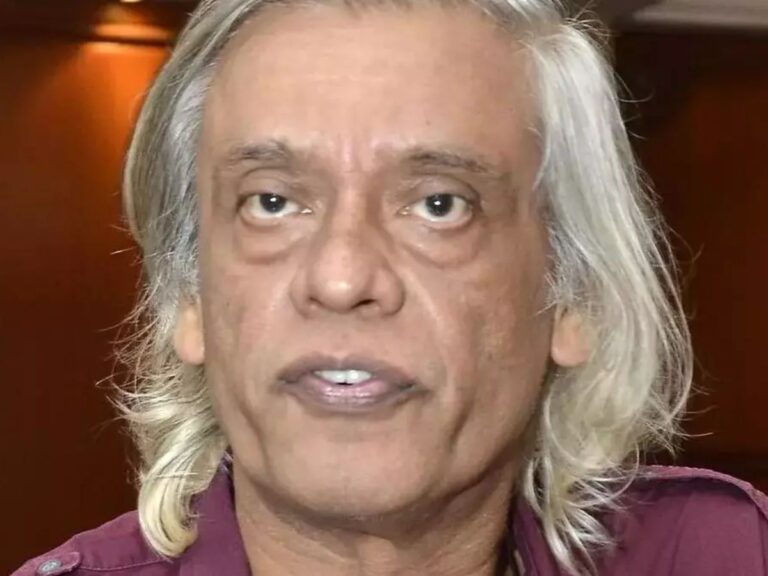
OTT platforms are the new saviors of indie cinema, or so we’re told.
Filmmakers like Sudhir swear by the creative freedom they offer, unshackled from the monopoly of box-office numbers, they can tell stories that might never survive in theatres.
Afwaah, for instance, found its footing only after hitting an OTT platform, thanks to pre-sales that ensured its survival. Without these deals, films like it would fade into obscurity.
But here’s the question, has OTT really elevated indie films, or has it simply given them a safe corner to exist?
Sure, subscription models allow films to grow at their own pace, but let’s not forget what else OTT brings to the table: endless competition. The push to churn out content for every viewer sometimes lowers the quality bar, forcing creators to cater to the masses instead of sticking to their artistic guns.
Look at the journey of a film like Kumbalangi Nights. Its theatre run was a sleeper hit, but its true recognition came when it landed on OTT.
Suddenly, a story rooted in Kerala’s backwaters resonated with audiences worldwide. On the flip side, we have films like AK vs AK—a brilliant concept overshadowed by OTT algorithms that often favor star-studded mediocrity over true ingenuity.
So, is OTT fueling indie films or boxing them into a niche?
The platform has made indie cinema visible, yes, but visibility isn’t the same as recognition. It’s a double-edged sword—one that cuts both ways. The question now is whether filmmakers can wield it without losing their edge.
We’re hiring!
We are hiring two full-time junior to mid-level writers with the option to work remotely. You need to work a 5-hour shift and be available to write. Interested candidates should email their sample articles to [email protected]. Applications without a sample article will not be considered.
