































































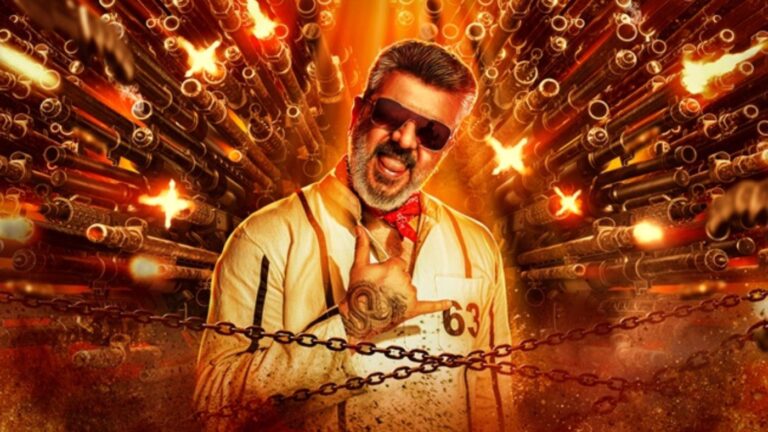
The Madras High Court’s recent order halting the distribution of Good Bad Ugly over the alleged unauthorized use of Ilaiyaraaja’s songs is more than a music rights dispute, it’s a wake-up call for streaming giants like Netflix.
Under Section 51 of the Copyright Act, any unauthorized use of copyrighted works amounts to infringement.
If the filmmakers indeed failed to secure proper permissions, the court’s intervention was inevitable.
But the larger question is what this ruling signals for global streamers. Netflix has already faced similar strikes with Nayanthara: Beyond the Fairy Tale, where disputes over clippings from Chandramukhi and Naanum Rowdy Dhaan triggered legal roadblocks. This isn’t isolated, it’s a pattern.
For Netflix, the implications are serious.
As platforms expand aggressively into regional markets, they must reckon with the moral rights of creators under Section 57, rights that cannot be waived simply through commercial licensing. Courts have made it clear: even a three-second clip can lead to legal action. In a country where music, film, and personality rights are deeply guarded, OTT players cannot afford to treat permissions as a box-ticking exercise.
What’s most striking is how limited India’s fair use doctrine is compared to Western markets. Global streamers often lean on “fair use” in other regions, but Indian law doesn’t extend that leeway. That means every second of content, whether a song, a background score, or a fleeting clip, requires explicit clearance.
The Good Bad Ugly case underscores a truth: Netflix and others are entering a legal minefield in India. If they don’t tighten compliance, every new release risks becoming a courtroom battle.
And no platform wants that.
We’re hiring!
We are hiring two full-time junior to mid-level writers with the option to work remotely. You need to work a 5-hour shift and be available to write. Interested candidates should email their sample articles to [email protected]. Applications without a sample article will not be considered.
