































































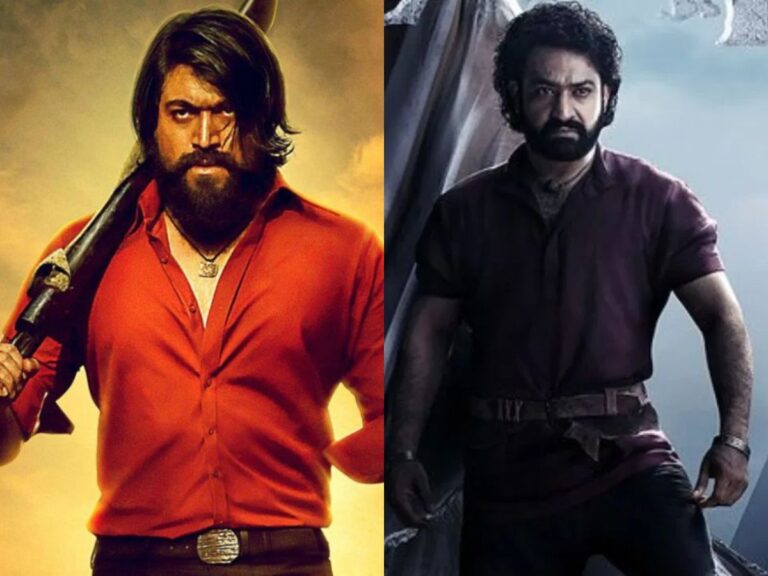
The recent release of “Devara” is breaking box office records, but on the other hand, it is also facing its share of criticism. The biggest critique is regarding lazy storytelling. The director seems to have ensured that if you don’t anticipate the next move, you are slammed with a disclaimer explaining it. This style of storytelling was used in “KGF”, where Prakash Raj narrated the story of “KGF”. While it somehow worked there, in “Devara”, the same technique, performed by the same actor, feels a bit lazy.
It gives the impression that the filmmakers are trying to reuse a tried-and-tested formula. The father-son relationship, which was adored by everyone in “Bahubali”, has been replicated in “Devara”, as well as in many films like Shamsher and a few more .
Why is it that when something works, filmmakers are reluctant to change, instead opting to repeat the same thing over and over again? In the field of creativity, where every new idea should be embraced, why do filmmakers rely on the same old formulas?
If we examine this issue, some of the fault lies with the audience as well. It has become a norm in Indian cinema that the audience is hesitant to accept anything new. It’s embedded in their minds that a hero must live at the end, and the villain must die. If something different is presented, it’s often rejected.
There are numerous examples where filmmakers tried something different, only to face rejection from the audience. That’s why they prefer to stick to the same formula. This is also the reason why we used to see so many similar movies, with the same lead pair being repeated again and again in every other film.
However, now we are witnessing a noticeable shift in the audience’s mindset. Filmmakers must recognize this growing acceptance and bring original ideas to the table. Let us know your thoughts.
We’re hiring!
We are hiring two full-time junior to mid-level writers with the option to work remotely. You need to work a 5-hour shift and be available to write. Interested candidates should email their sample articles to [email protected]. Applications without a sample article will not be considered.
