































































Once, reality shows were the hottest thing on linear cable. Times have changed, and reality shows are now a shadow of what they used to be. The reason is simple: the audience has shifted from the common man to those who have access to OTT platforms.
More than entertainment, it has turned into annoyance. The “reality” in reality TV is now pre-recorded, fabricated content that is mostly relatable to the top 1%. The newest addition to that list is The Tribe.
This format is not new. If you’re acquainted with the American YouTube scene, you’re already familiar with this concept. The American collaboration houses of influencers like Jake Paul and Logan Paul have fundamentally shifted the digital entertainment landscape, but not without significant drawbacks.
These houses, which function as both living spaces and content factories, promote a brand of reality that is overly dramatized and disconnected from the everyday experiences of most viewers. While the flashy pranks, outrageous challenges, and glimpses into their opulent lifestyles attract millions, they often prioritize shock value over substance, leaving audiences questioning the authenticity of what they see.
The reality presented here feels more like a manufactured spectacle than genuine entertainment, tailored to attract clicks rather than connect with fans on a deeper level.
Moreover, this trend raises concerns about the impact of such content on viewers, particularly younger audiences who may idolize these influencers and aspire to emulate their lifestyles. The relentless focus on wealth, drama, and superficiality fosters a culture where status and material possessions are glorified, often at the expense of real-life values and experiences.
The repetitive nature of this content quickly devolves into annoyance as the same tired tropes play out repeatedly. Instead of showcasing relatable moments, these collaboration houses often reinforce a distorted view of reality that alienates viewers rather than bringing them together. As the novelty wears off, creators must grapple with the challenge of evolving their content; otherwise, they risk becoming relics of a trend that prioritized entertainment over authenticity.
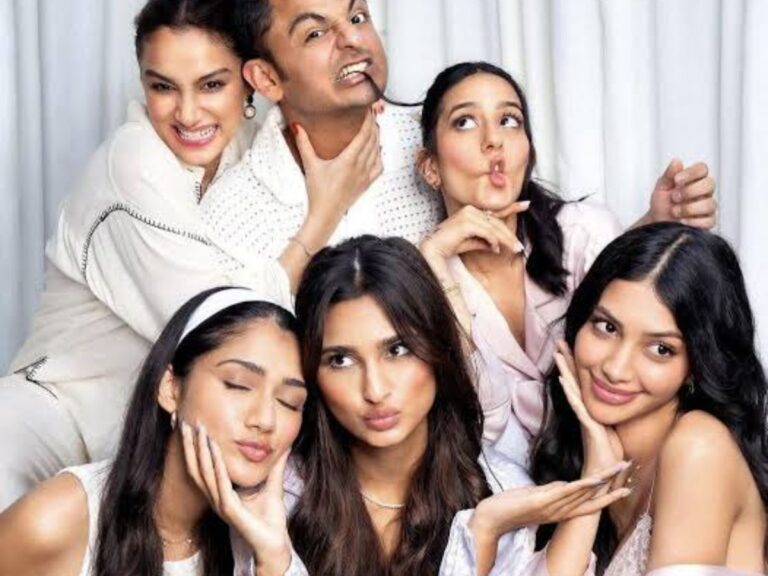
The same problem is prominent in The Tribe. The show, though it looks flashy and extravagant from the outside, operates on a very hollow concept. It brings together some social media influencers and makes them do and say dumb things. And you know who’s at the center? A company called CollabTribe.
In the age of social media, yes, companies like these have immense potential, but was it worth making a series out of it? For the company, it’s already showing results as their Instagram followers increased by around 50% when the show started streaming. But the major point is, it went from 6.5k to 10k, which is a very small scale when you’re making a series out of it. So, who won? Money.
If The Tribe were a YouTube series, it might have been enjoyable—fans would have watched it with pleasure and cracked some jokes. But making it a Prime Video series is a definite loss for Prime, as India is its biggest market, and when it comes to content, Netflix is clearly bringing its A-game.
Even the purpose of the show feels aimless. One episode and half of the second one are basically spent on Alanna Panday’s wedding, which focuses on how she strikes brand deals and monetizes her wedding. While it’s good business, barely anyone will enjoy watching that.
The reality show couldn’t be further from reality, and that’s its weakest spot. Even Prime Video’s show Follow Kar Lo Yaar had the same complaints. It lacked relatability, and the shows were too hypothetical.
OTT platforms need to fix these formats. Their reality shows are emerging as the weakest link. Especially with Prime Video’s recent activities, they need to plan and execute things well enough so that it doesn’t just become a playground for the rich, but a space where the audience can actually relate.
We’re hiring!
We are hiring two full-time junior to mid-level writers with the option to work remotely. You need to work a 5-hour shift and be available to write. Interested candidates should email their sample articles to [email protected]. Applications without a sample article will not be considered.
