































































The days when the names of prominent movie franchises and Hollywood studios were enough to guarantee a blockbuster are long gone. The rise of social media and other digital technologies in recent years has allowed fans to be more vocal about their opinions. However, this has also given rise to a whole new breed of fans—angrier, more vocal, and more toxic. Once reserved for film reviews and box office numbers, fan engagement has transformed into a fierce battleground where social media platforms fuel intensified hostility and controversy. Notable franchises such as Star Wars, once beloved, are now targets of hate. What was once passionate fandom has evolved into something more sinister, raising the stakes for Disney, Lucasfilm, and, in many ways, all major studios.
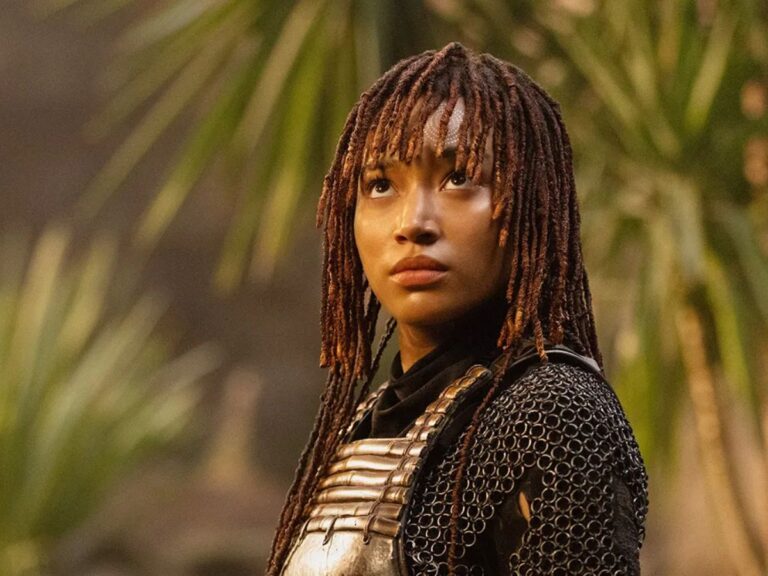
There is nothing wrong with expressing opinions about a TV show or movie, but things become ugly when some fans take it too far, with studios and creators caught in the crossfire. Star Wars’ The Acolyte is one of the latest examples of this scenario. This Disney+ series was canceled after just one season following harsh online review bombing. Tensions escalated after its actors, particularly Amandla Stenberg, were subjected to hateful, sexist, racist, and other negative comments.
The Acolyte is not the first Star Wars project to receive this kind of hate from the franchise’s toxic fans. The entire sequel trilogy of The Skywalker Saga serves as another example.
This scenario has forced Hollywood studios to devise a plan to strengthen their arsenals against the growing toxicity.
“It comes with the territory, but it’s gotten incredibly loud in the last couple of years,” an unnamed studio executive revealed to Variety. “People are just out for blood, regardless. They think the purity of the first version will never be replaced, or you’ve done something to upset the canon of a beloved franchise, and they’re going to take you down for doing so.”
Some studios have planned to utilize a group of diehard fans to review marketing materials and strategies for prominent franchise projects to analyze how the larger fan base might react. Moreover, some insiders have disclosed that actors, especially those whose characters seem to challenge the preconceived status quo of a specific franchise, have to take part in social media boot camps to strengthen their endurance for backlash from toxic fans.
Does it make sense? Hollywood studios are right to recognize the growing threat of toxic fanbases, but their current strategies may not be enough to address the root of the problem. They are not doing enough to confront the core issue: the weaponization of fan engagement. Instead, studios need to take a more proactive stance by creating spaces for healthier dialogue, moderating abusive behavior, and actively supporting their creators and actors in the face of toxic backlash. It is also important that studios promote inclusivity, while not giving in to the opinions of toxic fans. Stay tuned for more updates.
We’re hiring!
We are hiring two full-time junior to mid-level writers with the option to work remotely. You need to work a 5-hour shift and be available to write. Interested candidates should email their sample articles to [email protected]. Applications without a sample article will not be considered.
