































































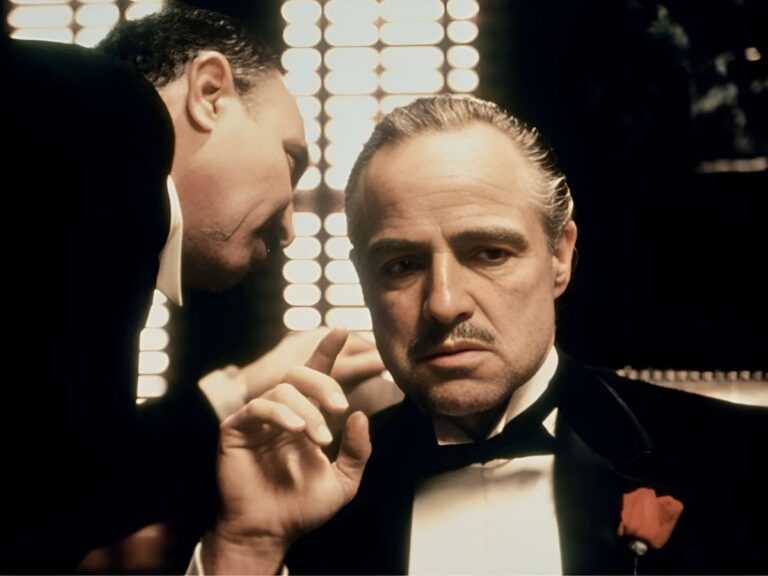
The Godfather is a film that has left a lasting impact on cinema, and much of its power comes from its screenplay, written by Mario Puzo and director Francis Ford Coppola.
This screenplay is often praised as one of the best in film history, seamlessly blending family drama with a raw portrayal of the Mafia.
At its core, the screenplay is structured like a carefully crafted story that explores themes of power, loyalty, and betrayal. The narrative unfolds gradually, allowing viewers to witness the complexities of the Corleone family. The opening line, “I believe in America,” sets the tone for a story that contrasts the American Dream with the harsh realities of life in organized crime.
One of the standout features of the screenplay is its dialogue. The words are powerful yet straightforward, creating memorable moments that resonate with audiences. Coppola and Puzo expertly use pauses and silence to build tension. For instance, Don Vito Corleone’s famous line, “I’m gonna make him an offer he can’t refuse,” captures his mix of authority and a protective nature, revealing the moral complexities of his character.
Michael Corleone’s transformation is a central focus of the screenplay. He begins as a hesitant outsider, but as the story progresses, he becomes the ruthless leader of the family. This transformation is portrayed with such skill that when he ultimately embraces his role, it feels both shocking and inevitable. The baptism scene, which juxtaposes a religious ceremony with acts of violence, emphasizes the film’s themes of sin and redemption.
Every scene in The Godfather serves a specific purpose, whether it’s developing characters or advancing the plot. From tense family conversations to the elegant yet somber settings, each aspect contributes to the overall impact of the story. Even minor characters are given meaningful moments, enhancing the larger narrative. For example, the loyalty of Clemenza and the strength of Kay Adams illustrate the different dynamics within the family.
With its careful pacing, memorable dialogue, and deep themes, the screenplay of The Godfather remains a model for storytelling. It captures not just the essence of a family saga but also a stark commentary on ambition and power. Even fifty years after its release, Coppola and Puzo’s script continues to influence writers and filmmakers, showcasing the enduring power of a well-told story.
We’re hiring!
We are hiring two full-time junior to mid-level writers with the option to work remotely. You need to work a 5-hour shift and be available to write. Interested candidates should email their sample articles to [email protected]. Applications without a sample article will not be considered.
