































































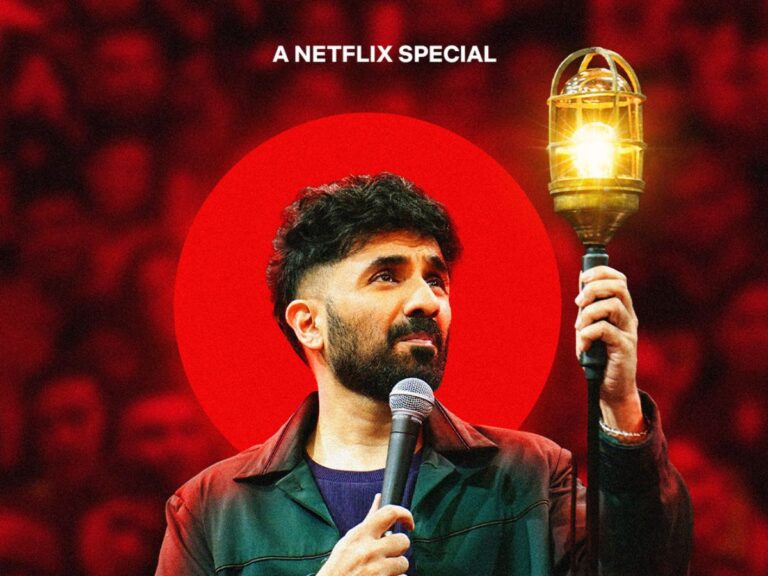
While there’s no denying that a massive portion of Indian OTT viewers has showered nothing but love and support on Vir Das’ latest Netflix standup, Fool Volume, there’s also a noticeable section of the audience that seems to feel otherwise.
The special touches on some important and sensitive topics, but for many, it has ignited a fresh wave of controversy, not just for the comedian-actor, but also for the streaming platform.
Accusations are mounting against both Netflix and Das, alleging that the content consistently leans toward belittling India or mocking the Indian audience. Social media, particularly Twitter, is abuzz with strong reactions and calls for accountability.
Vir Das has long been a polarizing figure in the Indian comedy space, often praised for his sharp wit and international appeal, yet frequently criticized for material some perceive as denigrating to his home country.
Fool Volume had generated substantial buzz and anticipation ahead of its Netflix release, especially after his International Emmy win for Landing. However, it seems things are more complicated this time, as the new special appears to have created a deeper divide among Indian viewers.
The core of the controversy revolves around the perception that Fool Volume uses humour that, rather than being self-deprecating or universally relatable, directly targets Indian culture, traditions, or people in a derogatory manner.
As a result, tweets are proliferating, with users sharing clips and demanding explanations from Vir Das and Netflix India.
No matter how many specials Vir Das does for NETFLIX or NETFLIX get him do, he remains same old cliche and boring. Nothing new to offer, same stereotyping India in front of English audience.
— Parth Chaturvedi (@_mrchaturvedi) July 22, 2025
Been watching this Vir Das Netflix special, been 15 mins of watching this I am trying to figure out which Netflix exec’s nudes this guy has. His whole act of explaining India to the West is 20 yrs old baasi stuff. “We indians have this concept called evil eye” pls laugh for…
— Akash Patel (@skyspeaks_) July 21, 2025
Fraud Vir Das bring hired by anti Hindu Netflix. Reason why I unsubscribed this pure propoganda network.
— Mr Singh (@indomitablesoul) July 19, 2025
Tried watching the new Vir Das show on Netflix, and it is so NOT funny.
How does this guy even get listed on Netflix?
— Narayanan Hariharan (@narayananh) July 22, 2025
It all started with the likes of Vir Das; more these folks mock anything Indian, the bigger the chances of getting noticed by international audience
— Unapologetic_nationalist (@Unapologeticna4) July 19, 2025
This isn’t the first time Vir Das has faced such backlash. His I Come From Two Indias monologue in 2021 sparked a massive debate, with strong reactions both for and against his commentary on India’s complexities. Supporters lauded his courage in addressing uncomfortable truths, while detractors accused him of portraying the nation negatively on an international stage.
Das’s style of standup also raises a deeper question: Does comedy that aims to be globally relevant inherently risk alienating local audiences, especially when it touches on sensitive cultural or national themes?
When it comes to debating national, cultural, or emotionally charged topics, Indian viewers are passionate and protective, and rightfully so. Which is why the controversy around Fool Volume may continue to intensify in the coming days.
Netflix India, by platforming such content, also finds itself in the crosshairs, as viewers scrutinize its role in promoting material that some consider offensive. Recently, the platform came under fire for removing the “Jai Shree Ram” dialogue from the climax of Bajrangi Bhaijaan, during the emotional reunion scene between Munni (Harshaali Malhotra) and Pawan (Salman Khan). Let’s see what happens. Stay tuned for more updates.
We’re hiring!
We are hiring two full-time junior to mid-level writers with the option to work remotely. You need to work a 5-hour shift and be available to write. Interested candidates should email their sample articles to [email protected]. Applications without a sample article will not be considered.
