































































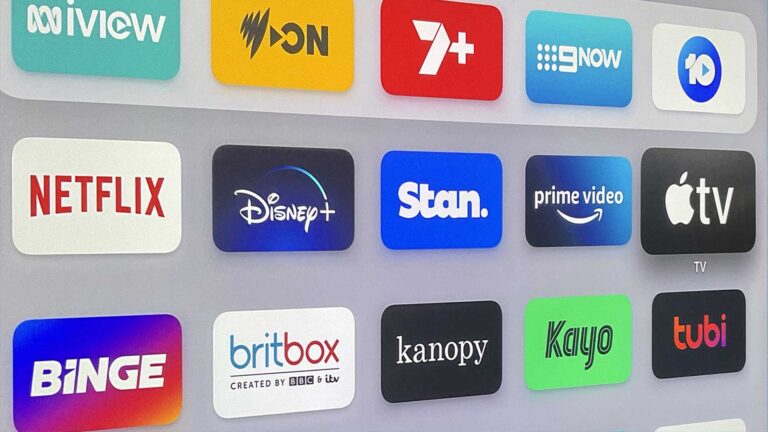
In India, the conversation around the regulation of OTT content is more prominent than ever. But, there has not been any solid step on it since then. Organizations, spanning Canada, Australasia, Europe, and Latin America, have issued a joint statement outlining key principles to safeguard producers, local content, and independent intellectual property (IP) ownership.
The main focus of the statement revolves around ensuring that a majority of streaming platform investments support projects where IP is controlled by independent screen businesses. This, the organizations argue, will strengthen these businesses, allowing them to invest in, develop, and produce new IP that reflects a nation’s unique cultural heritage.
The statement also emphasises the government’s role in addressing market failures and commercial bargaining power imbalances. The global discussion on streaming regulation has gained momentum for topics like streaming residuals, compensation, and the impact on local content production.
Producers and independent entities advocate for global streamers to invest in local content, while streaming giants like Netflix, Prime Video, and Disney+ argue that their current strategies benefit local markets without needing state intervention.
The CEO of Screen Producers Australia, Matthew Deaner, stressed the importance of preserving creative IP ownership, highlighting that it adds significant value to the screen industry.
The statement may ensure that local stories are discovered, developed, and told on screen, preventing them from being overshadowed by a dominant global content industry. This falls under the classic case of clash of interests. While the streaming platforms are here to make money, the local stories must not get lost. Let’s see how it unfolds.
We’re hiring!
We are hiring two full-time junior to mid-level writers with the option to work remotely. You need to work a 5-hour shift and be available to write. Interested candidates should email their sample articles to [email protected]. Applications without a sample article will not be considered.
