































































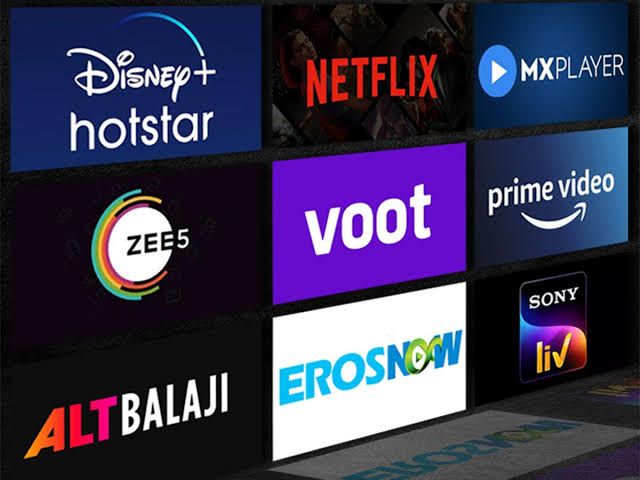
Profitability has emerged as the driving force for OTTs and while this pursuit is good from business point of view, what about creativity and quality? According to the 2025 EY-FICCI report, premium OTT content in India declined by 12% in 2024 as streaming services slashed budgets to achieve financial viability.
According to the report, it is expected that in 2025 Pay TV homes will continue to shrink thereby further increasing the cost pressure on OTTs and their quest for profitability. What’s worrisome here is, this has compromised the quality and diversity of content, leaving audiences yearning for the bold, innovative storytelling that once defined the streaming boom.
Look at another set of data from this report that says only 60 films were released directly on digital platforms in 2024 whereas in total there were about 500 films that eventually made their way to OTT after running in theatres. This further shows how OTTs are now less interested in taking risk and trying their hands at experimental narratives something they were once celebrated for. It reflects how efficiency has taken over ambition. More saddening is the fact that this accompanied by continued demand for digital censorship will stymie the creative freedom that had once found a new home on OTT platforms.
There’s one strategic pivot though that the report highlights. It states that in 2025, OTT content volumes may rise, but there’s one caveat here too! It will all happen at lower production costs. And this very focus on cost-effective content signals a troubling trend where quantity is trumping quality as platforms churn out safer, formulaic projects just for the sake of it.
On the other hand, can we really blame the OTT platforms for everything? Shouldn’t we question where does this hunger for profitability come from. Well it all stems from a pretty harsh reality. The wide reach of affordable internet coupled with freebies like offering of premium content like the IPL without paying anything in past few years has disrupted the Indian OTT market significantly and resulted in squeezed subscription revenues, thereby forcing the players to rethink their models.
And as part of this rethinking aimed at relieving economical pressure, platforms decided to let go of experimentation and become more generic instead. Platforms, burdened by content costs, are infact finding it more convenient to rely on dubbed or subtitled regional content (48% of 2024’s OTT releases were in regional language) to appeal to broader audiences rather than produce niche or high budget projects.
Another practice the OTTs are adapting to cover costs is including advertisement even for subscribed members unless you decide to pay another premium, just as we saw recently in case of Prime Video.
Now all this cost-cutting may stabilize the balance sheets for OTTs, but it poses a much bigger risk of alienating viewers who came to them craving for originality. People poured their love on OTTs because they promised and delivered groundbreaking shows and movies and became a medium for diverse voices, but this new profit-driven approach could reduce these platforms to mass producers of predictable content.
While the projected growth in content volume for 2025 offers hope, it will only be fruitful if platforms practice fiscal prudence without compromising creativity and quality. Otherwise, the race to profitability might win the battle but it will surely lose the war for audience loyalty. In times where screens are increasing manifolds with each passing day, OTT platforms must not forget: quality, not just affordability, is what keeps viewers hooked and booked.
We’re hiring!
We are hiring two full-time junior to mid-level writers with the option to work remotely. You need to work a 5-hour shift and be available to write. Interested candidates should email their sample articles to [email protected]. Applications without a sample article will not be considered.
