































































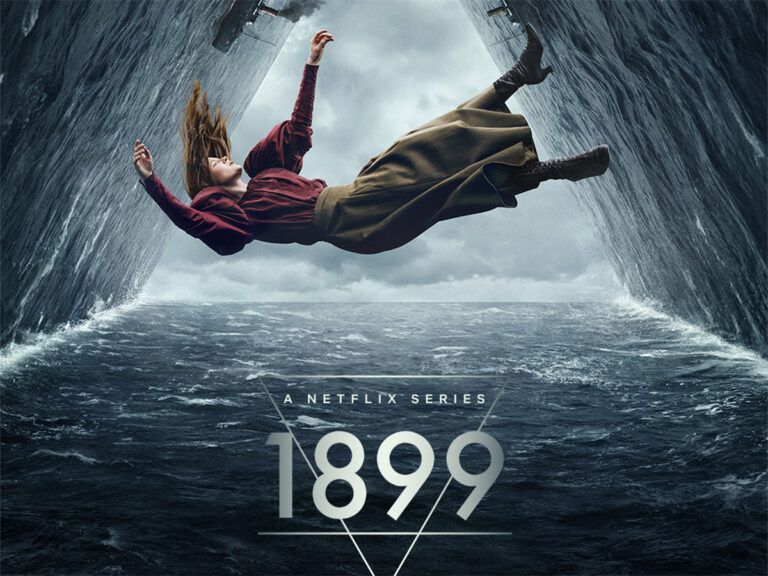
Streaming behemoth Netflix left everyone shell-shocked with its ruthless spate of cancellations of shows, the most recent and surprising one being ‘1899‘, from the makers of ‘DARK’. 1899 joins a fast-increasing list of shows that Netflix has cancelled in the new year alone, even though it’s been barely two weeks of 2023 – a total of five shows, at last count.
Other recent shocking cancellations at Netflix last year have been the popular ‘Warrior Nun’; ‘First Kill‘; ‘The Bastard Son And The Devil Himself’ – rated 93% on Rotten Tomatoes; ‘Archive 81’; the very popular ‘The Midnight Club’ – rated 87% on Rotten Tomatoes; Resident Evil; Fate: The Winx Saga; and so many more.
Netflix has faced rising criticism over its recent cancellation of popular shows. Social media is inundated with rants of Netflix subscribers, all of whom have leveled accusations against Netflix of not caring for viewers’ sentiments and likings.
So what is the real reason that Netflix keeps cancelling shows – even popular and highly rated once – and even at the cost of incurring the wrath of its subscribers?
The answer lies in the viewing metrics – viewing data that Netflix painstakingly and meticulously collects through the use of sophisticated tools, for every show or movie it airs. As per those with inside knowledge, Netflix cancels only those shows that have a poor completion rate. The completion rate of a show measures how many viewers actually watched a series right till the end, and how many left watching the show in between. This completion rate metric gives Netflix a better insight into the viewership data of a show, rather than the more widely known ‘numbers of hours watched’.
The buzz around a show such as ‘1899’ ensures that a larger number of people log on to and begin watching the show, leading to an increase in the number of hours watched. But that does not mean all those people complete watching the show – many find it boring and leave watching the show quarter-way or half-way. This data is far more revealing for Netflix to understand the impact of a show, its popularity, and ultimately, whether it should be renewed.
For example, take the case of ‘1899’. As reported by What’s On Netflix, the completion rate of ‘1899’ was too low and likely wasn’t growing substantially. Data suggested that “only around a third of people who started the show went on to finish the title.”
Thus, the ‘completion rate’ is the prime reason that compels Netflix to cancel a show. And this will be the way forward at the streaming giant, no matter how much subscribers complain, rave or rant.
We’re hiring!
We are hiring two full-time junior to mid-level writers with the option to work remotely. You need to work a 5-hour shift and be available to write. Interested candidates should email their sample articles to [email protected]. Applications without a sample article will not be considered.
