































































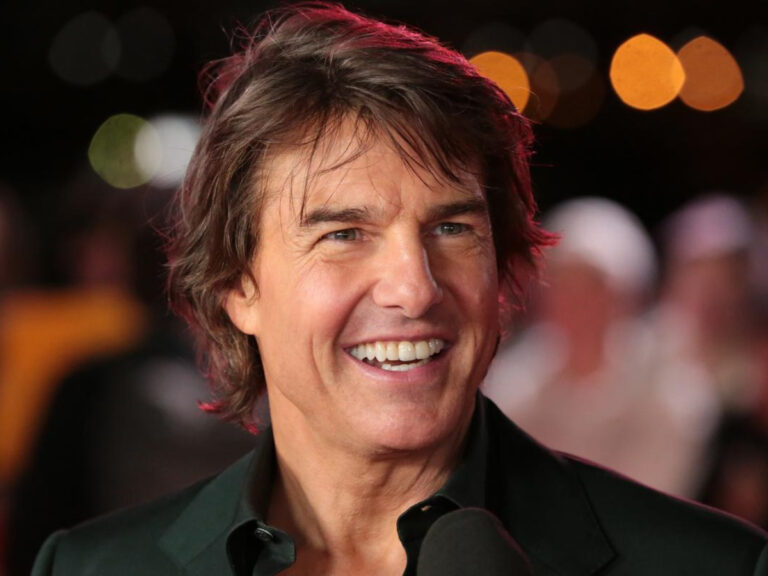
Mission Impossible star Ethan Hunt reportedly participated in the SAG-AFTRA negotiations before the announcement of the actors’ strike. He presented his views regarding the stunts and the utilisation of Artificial Intelligence (AI) and urged prominent studios to listen to the guild’s concerns about this scenario. The negotiations between SAG-AFTRA and AMPTP (Alliance of Motion Pictures and Television Producers) reached no conclusion, forcing the former to commence the strike officially on July 14. In addition, more than two and a half months have passed since the commencement of the strike from the Writers’ Guild of America, who are still fighting for better working conditions and fair pay.
According to one of the latest reports from The Hollywood Reporter, Cruise was asked to participate during the initial stages of the negotiations to persuade streaming platforms and production studios to consider the concerns related to the augmenting usage of AI in Hollywood. In addition, the on-screen Ethan Hunt urged the union to consider the idea of permitting actors to promote their movies, considering the current state of movie theatres.
There is no denying that AI has significantly changed how we work. And it has certainly attracted the attention of many people inside Hollywood. What will it do to Hollywood? Will it change the film and tv industry forever?
Promient AI tool, ChatGPT, came into existence in November 2022. Though, its prominence skyrocketed during February-March of this year. Created by OpenAI, ChatGPT is a revolutionary but scary chatbot. How? Well, it is capable of doing many things within a few seconds. The prominent British newspaper, The Guardian, asked the chatbot about AI’s potential impact on the movie and television industry some time ago. And its response was outrageous.
ChatGPT’s response shed light on AI’s ability to analyse current screenplays, develop methods of cost-effective screenwriting, cultivate new screenplays, streamline the production procedures, create more immersive and realistic special effects, come up with ways to save money on film or tv series productions, personalise film recommendations for viewers, aid studios or production companies in improving their decision-making process regarding their release strategies and marketing tactics, and so much more.
We must admit that AI can help people inside Hollywood in many ways. For instance, it can aid writers in overcoming their writing blocks or give them important writing materials. It can even make editors’ jobs easy. Hell, it feels like AI can do anything. But just think about the growing threat of AI replacing humans and stealing their jobs.
Studios in Hollywood have already started using AI. For example, Disney used it to de-age Harrison Ford in Indiana Jones and the Dial of Destiny. Marvel Studios took its help to generate Secret Invasion’s opening credits. Though, not all prominent Hollywood figures are excited about it. Many popular actors, such as Keanu Reeves, have strongly criticised the usage of AI in Hollywood. Reeves never forgets to add a clause in his contracts prohibiting studios from digitally editing his facial expressions or appearances. “If you go into deepfake land, it has none of your points of view,” he told Wired Magazine. “That’s scary.”
However, some actors have welcomed AI with open arms. Veteran actor James Earl Jones has given his permission for AI to utilise his early Darth Vader recordings in order to replicate his voice for future Star Wars projects.
It is impossible to ignore the power of AI. This technology is evolving with every passing day, posing a significant threat to the people who are working in the film and television industry. Will it take over Hollywood? Well, it all depends upon the outcomes of the ongoing SAG-AFTRA and WGA strikes. Instead of completely banning the utilisation of AI, the studios should consider implementing clear guidelines about its usage. This will help in protecting the job and rights of the respective members.
We’re hiring!
We are hiring two full-time junior to mid-level writers with the option to work remotely. You need to work a 5-hour shift and be available to write. Interested candidates should email their sample articles to [email protected]. Applications without a sample article will not be considered.
