































































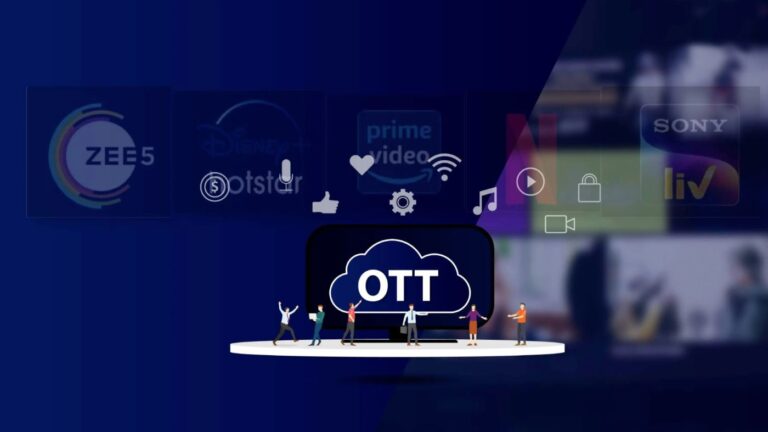
India loves to celebrate its booming streaming economy.
Every quarter, an OTT platform announces new subscriber milestones, expanded content libraries, and ambitious tech upgrades. But beneath the glossy headlines lies a stubborn, uncomfortable truth: 76 million Indians still watch films exclusively in theatres, with zero access to any SVOD platform.
And this isn’t some fringe demographic. This is a massive audience cluster, bigger than the population of the UK, largely concentrated in South India’s single-screen belt. These viewers aren’t resisting OTT because of preference; they’re locked out of it. The gap is economic, infrastructural, and cultural, and it is widening.
The industry narrative goes, “India is becoming a streaming-first nation.”
But if 76 million people are still dependent on theatres for cinema, that narrative collapses.
Ticket prices in these regions remain modest, making weekly moviegoing affordable. Meanwhile, OTT subscriptions, even the “affordable” ones, are simply out of reach for many households. Add to that unreliable internet, patchy digital literacy, and the reluctance of streamers to invest in hyper-local content, and the outcome is obvious: a two-tier entertainment economy.
This divide also exposes a flaw in OTT strategy. Platforms obsess over metros and NRI pockets, but ignore the cultural heartbeat that keeps single screens alive.
They chase global prestige projects while missing millions of potential users who would happily join the streaming ecosystem if pricing, access, and relevance aligned. South India’s theatrical-only belt isn’t a dying community, it’s a reminder of how incomplete India’s digital shift really is.
As streamers battle for market dominance, this 76-million-strong audience stands outside the gates, unseen and unaddressed. India’s entertainment future cannot be called “inclusive” or “revolutionary” until the platforms acknowledge that streaming growth means nothing if it leaves behind the very people who keep Indian cinema thriving.
We’re hiring!
We are hiring two full-time junior to mid-level writers with the option to work remotely. You need to work a 5-hour shift and be available to write. Interested candidates should email their sample articles to [email protected]. Applications without a sample article will not be considered.
