































































The Indian OTT landscape is fiercely competitive, with platforms spending millions to build a distinct identity.
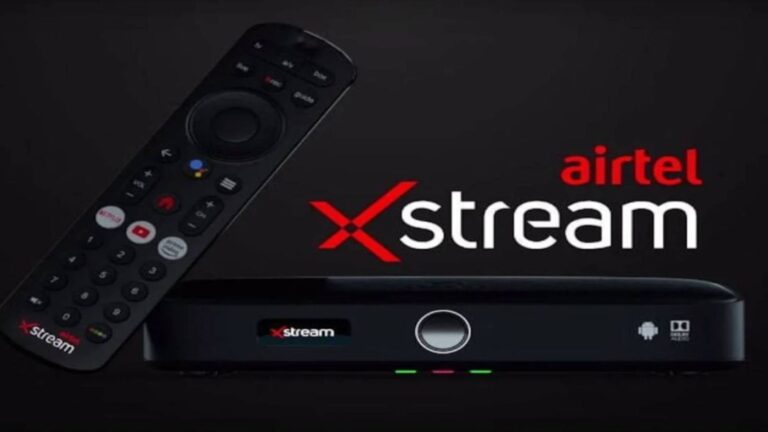
From SonyLIV’s focus on sports and original dramas to ZEE5’s wide regional library and Hoichoi’s niche Bengali content, each brand markets itself as unique. Yet, a puzzling contradiction has emerged: several of these platforms allow their content to be streamed through Airtel’s Xstream app, despite its long list of issues.
At the same time, giants like Netflix, JioHotstar, and even Amazon Prime Video have resisted such integration. They prefer to preserve their standalone presence, their own app ecosystems, and most importantly, their brand identity. Why then are others willing to dilute theirs?
Airtel’s Xstream has been plagued with performance complaints, laggy UI, login issues, broken search functions, and poor user experience.
Consumers routinely vent on social media about how the app diminishes their viewing experience. Instead of enjoying premium content, users are stuck in buffering loops or clunky navigation.
For platforms like SonyLIV or ZEE5, allowing their libraries to be consumed through Xstream essentially ties their carefully curated content to an inferior user interface. This compromises the audience’s perception of the brand. When the experience is poor, the average user doesn’t blame Airtel, they blame the platform whose content they were trying to watch.
The decision seems to boil down to reach.
Xstream, being bundled with Airtel plans, provides these platforms with access to millions of potential subscribers. It’s a shortcut to visibility in a market crowded with apps.
But the trade-off is serious: brand dilution. When users consume SonyLIV content through Xstream, they aren’t interacting with SonyLIV’s app, its interface, or its ecosystem. They’re engaging with Airtel’s, and Airtel takes center stage.
Netflix and JioHotstar, on the other hand, understand this risk.
They prioritize their identity as platforms, not just content providers. Their apps are designed as self-contained universes, spaces where they can control every click, every recommendation, and every piece of data. For them, outsourcing this to Xstream would mean giving up a piece of what makes them powerful.
This issue raises a critical question for the Indian OTT ecosystem: should platforms act as mere content suppliers or as independent entertainment ecosystems?
Those that surrender to aggregator apps like Xstream risk being remembered only for their shows, not for their brand. In the long run, this might create a hierarchy where only the biggest platforms preserve their individuality, while others become “channels” inside someone else’s ecosystem.
If OTT platforms truly want to survive in the long run, they must look beyond the short-term gains of distribution deals.
The success of streaming giants globally lies not just in content but in controlling the experience of watching. Without that, even the best shows lose their shine.
We’re hiring!
We are hiring two full-time junior to mid-level writers with the option to work remotely. You need to work a 5-hour shift and be available to write. Interested candidates should email their sample articles to [email protected]. Applications without a sample article will not be considered.
