























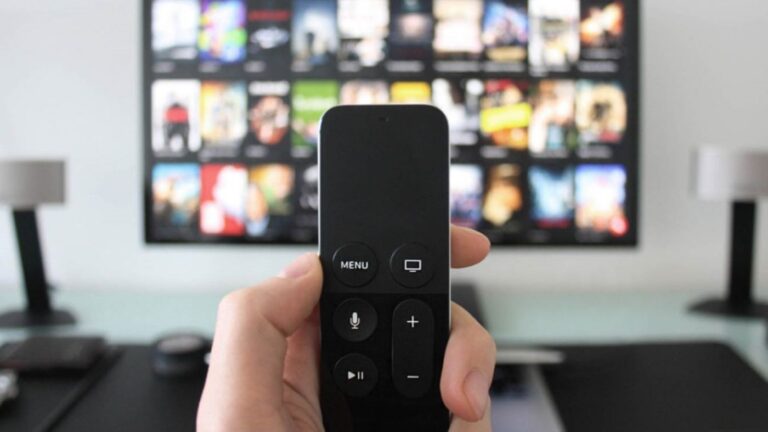
Merely four years after drafting the 2021 IT Rules, the Centre appears to have concluded that the existing framework is not strong enough. With a growing number of shows and films containing explicit material and reaching mass audiences, the government now seems intent on tightening digital regulations further. If these changes go through as proposed, OTT platforms may face blanket restrictions on highly explicit or provocative content, something that was once seen as a hallmark of creative freedom on streaming services.
This change comes at a time when many filmmakers moved to OTT precisely because it offered more room to experiment without the traditional censorship applied to theatrical films. Stronger regulations could bring that freedom under scrutiny. If ideas are policed based on broad interpretations of morality or obscenity, then filmmakers might choose safer topics. Stories that challenge social norms, politics or uncomfortable realities may be avoided, not because they are wrong, but because they could fall into the new definition of objectionable content.
The issue, therefore, is not only about restricting violent or sexual imagery. It is also about how widely the government chooses to define what is inappropriate. If regulations end up limiting artistic expression, then the law may need another round of refinement. A balance must be created where harmful content is addressed without discouraging bold storytelling. Otherwise, OTT may lose the very space that allowed new voices and ideas to thrive.
We’re hiring!
We are hiring two full-time junior to mid-level writers with the option to work remotely. You need to work a 5-hour shift and be available to write. Interested candidates should email their sample articles to [email protected]. Applications without a sample article will not be considered.
