























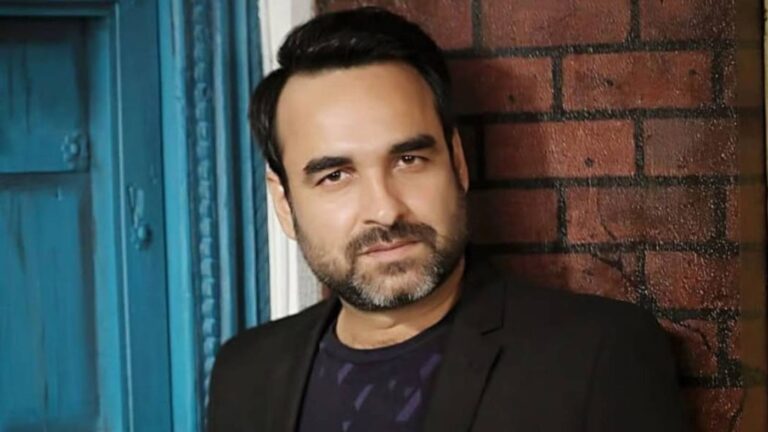
Pankaj Tripathi’s latest remarks expose an uncomfortable truth that the streaming boom has tried very hard to hide, the creative “freedom” that once defined OTT platforms is slowly disappearing. And the irony is almost poetic. Platforms that disrupted Indian entertainment by freeing storytellers from TV’s rigidity and cinema’s commercial pressures are now becoming the very gatekeepers they once challenged.
Tripathi’s decision to release Perfect Family on YouTube instead of a major streamer isn’t a marketing choice, it’s a warning signal.
When an actor known for elevating scenes with improvisation says he has stopped improvising because legal teams hover over every line, something is fundamentally broken. Creativity cannot coexist with fear, and yet fear, of controversy, of social media outrage, of compliance issues, has started dictating the artistic process on OTT sets.
The layers of approvals Tripathi describes, creative heads, writers’ rooms, production policing, legal vetting, reveal a shift from collaboration to control. OTT platforms, in the name of “quality standards,” are beginning to resemble bureaucracies: committees interpreting art through caution instead of curiosity.
The poem incident he recalls is perhaps the clearest example. A simple, four-line verse brought production to a halt because no one wanted to take responsibility. When the poet’s family confirmed it wasn’t even copyrighted, the contrast was stark: creators aren’t fighting real restrictions, they’re fighting imagined ones created by corporate anxiety.
OTT promised boldness. Now it delivers supervision.
If India’s biggest storytellers are choosing YouTube for creative freedom, the platforms need to ask themselves a hard question, are they innovating, or quietly censoring the art they were meant to empower?
We’re hiring!
We are hiring two full-time junior to mid-level writers with the option to work remotely. You need to work a 5-hour shift and be available to write. Interested candidates should email their sample articles to [email protected]. Applications without a sample article will not be considered.
