































































California has just done what millions of viewers worldwide have been silently wishing for, it’s turning down the volume, literally.
Governor Gavin Newsom’s newly signed law bans “excessively loud” ads on major streaming platforms like Netflix, Hulu, and Amazon Prime.
Modeled after a 2010 U.S. federal law that capped ad volumes on cable TV, this updated rule brings long-overdue relief to modern streaming audiences.
For years, viewers have been jolted out of their couches when a commercial suddenly blasts louder than the movie they were peacefully watching. The problem, which started as an annoyance, quickly became a sign of neglect, that streaming services were prioritizing monetization over experience. California’s move is more than a local fix; it’s a cultural and industry shift. Given California’s influence on global entertainment, this law will likely ripple far beyond the U.S.
And here’s where India comes in.
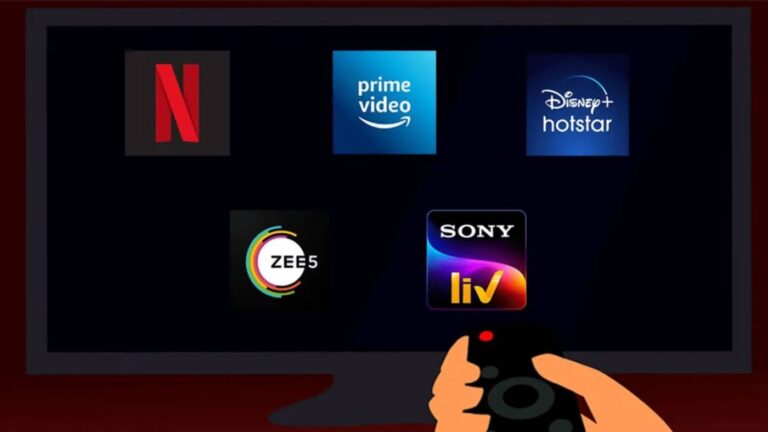
Indian OTT platforms, JioHotstar, SonyLIV, Zee5, have long been criticized for intrusive and poorly balanced ads.
Users often face jarring volume jumps between scenes and commercials, making the viewing experience chaotic, especially during live sports. If global platforms are being forced to adopt consistent sound standards, Indian streamers can’t afford to ignore the cue.
This law could serve as an inspiration for Indian regulators or even self-regulating bodies like IAMAI to enforce similar norms. After all, as Indian OTT expands to hundreds of millions of users, audience comfort should matter as much as content variety.
So, while California’s “quiet revolution” might seem like a small fix in the grand scheme of streaming, it’s actually setting a precedent. A new kind of competition has begun, not for louder ads, but for a quieter, better user experience.
It’s indeed a positive step for the consumers.
We’re hiring!
We are hiring two full-time junior to mid-level writers with the option to work remotely. You need to work a 5-hour shift and be available to write. Interested candidates should email their sample articles to [email protected]. Applications without a sample article will not be considered.
