































































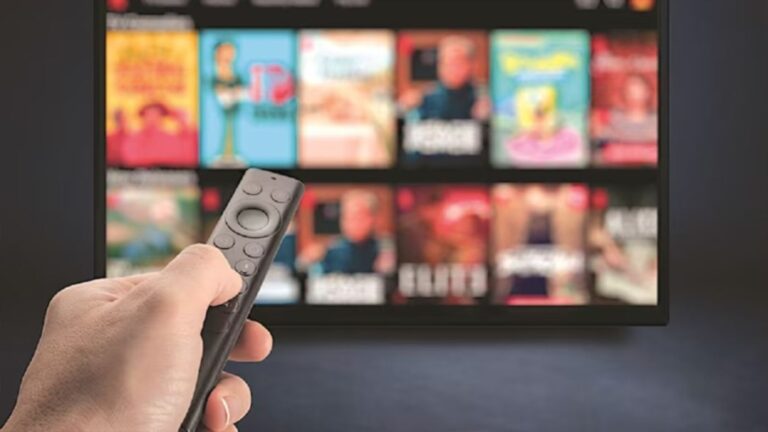
People are no longer glued to OTT screens the way they were just 5 years ago. A new study by shows that while 82 percent of users spend time daily on social media, only 43 percent do so on OTT apps. Even television has bounced back, with 78 percent of users watching it daily, which is a much stronger number than OTT. This shift shows how the magic of binge-watching series and films is slowly losing ground to shorter and more accessible formats.
The rise of quick, easy-to-consume videos on social platforms has made people less patient with long-form content that requires more time and attention. OTT platforms also face the hurdle of subscription fees, which many viewers find restrictive in a market where social media offers endless entertainment for free. Add to that the challenge of finding time to sit through multiple episodes or long movies, and the appeal of OTT looks thinner today.
Television, on the other hand, has shown surprising resilience. Once written off as outdated, TV is again drawing consistent daily viewership than OTT. Meanwhile, newspapers, online news, and radio continue to fall behind. Radio, in particular, has dropped to just 9 percent in daily use, as commuters increasingly turn to smart media players.
This changing landscape is a warning signal for OTT platforms. Unless they rethink their subscription costs and create content that feels more accessible and engaging, they risk losing relevance in a market where attention spans are shorter than ever.
We’re hiring!
We are hiring two full-time junior to mid-level writers with the option to work remotely. You need to work a 5-hour shift and be available to write. Interested candidates should email their sample articles to [email protected]. Applications without a sample article will not be considered.
