































































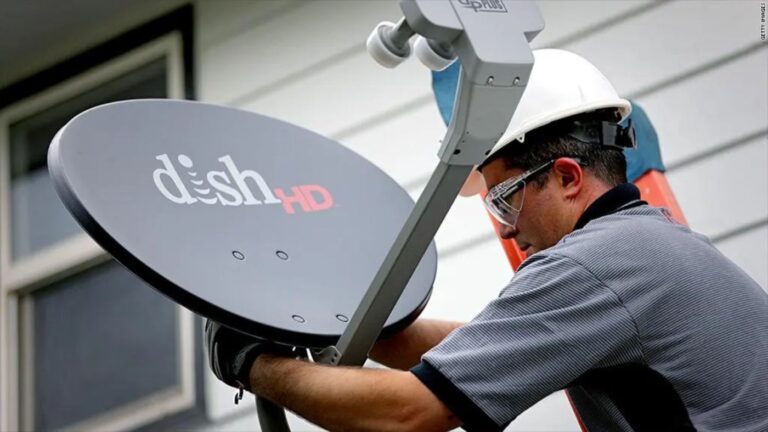
India’s once-booming DTH industry is now staring at a steep decline. In just one quarter, active pay DTH subscribers have dropped from 56.92 million (Jan–Mar) to 50.07 million (Apr–Jun), as per TRAI.
The numbers tell a clear story: customers are cutting the cord faster than ever.
The reasons aren’t hard to spot.
Affordable data, aggressive OTT bundles, and flexible viewing options have made traditional DTH look outdated. Why pay for rigid channel packs when you can stream on-demand content from Netflix, Prime Video, or JioCinema, often bundled with broadband or mobile plans?
Squeezed by this reality, DTH players are scrambling to reinvent themselves. Tata Play has been aggressively pushing its OTT aggregator, Binge, while Dish TV has tried device-led strategies. Bharti Telemedia and Sun Direct are exploring broadband tie-ups to keep customers within their ecosystem. The aim is simple: offset shrinking TV revenues with digital offerings.
But here’s the catch, these shifts may be coming too late. The same telcos dominating OTT bundling also control broadband infrastructure. Competing against JioFiber or Airtel Xstream on price, scale, and convenience is an uphill battle. DTH players may find themselves stuck in a middle ground: not fully OTT, not fully traditional.
The next phase of survival isn’t just about diversification, it’s about relevance.
Unless DTH players carve out a unique value proposition in the hybrid TV-streaming world, they risk fading into irrelevance as India accelerates its digital-first entertainment shift.
We’re hiring!
We are hiring two full-time junior to mid-level writers with the option to work remotely. You need to work a 5-hour shift and be available to write. Interested candidates should email their sample articles to [email protected]. Applications without a sample article will not be considered.
