































































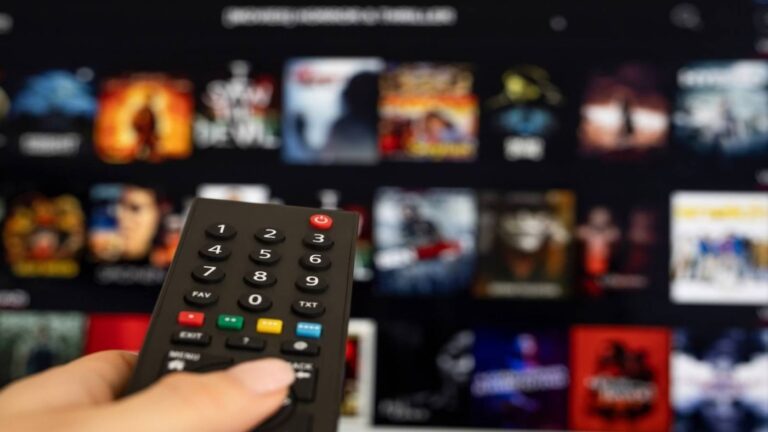
And that’s exactly what’s ruining streaming in India.
A new industry report shows a 10 per cent drop in overall TV ad volumes. On paper, that sounds like a market cooling off. In reality, it’s a reshuffling, advertisers aren’t spending less; they’re moving their money where the audience has moved: OTT.
Brands still rely heavily on TV for mass reach, Food & Beverages (21%), Personal Care (16%), and Services (14%) continue to dominate screen time. Some sectors are even growing on TV, like Ecommerce (+25%) and Toilet Cleaners (+18%), proving that certain categories still trust the medium.
But things aren’t all gaga. The ads leaving TV aren’t vanishing. They’re landing directly inside your OTT apps.
And the viewer is paying the price.
As TV genres like News, Movies, and Music face declines, streaming platforms have become the new hunting ground. What used to be a clean, premium alternative, OTT without interruptions, is now bloated with mid-rolls, unskippables, frequency issues, and jarring ad placements that break storytelling in ways TV never did.
The irony is bitter. People ran from TV because of ads. Now OTT is slowly transforming into the very thing it claimed to replace.
Amit Mathur from Finolex Cables explains the shift well, India is now a multi-screen country. Brands are simply redistributing their budgets. But the redistribution is lopsided.
TV gets fewer ads. OTT gets overloaded. Viewers get frustrated.
OTT companies call this “market correction.” But for everyday users, it feels more like the slow death of what made streaming magical in the first place, uninterrupted, immersive entertainment.
If this is the future of digital storytelling, maybe we didn’t cut the cord. Maybe we just changed the plug.
We’re hiring!
We are hiring two full-time junior to mid-level writers with the option to work remotely. You need to work a 5-hour shift and be available to write. Interested candidates should email their sample articles to [email protected]. Applications without a sample article will not be considered.
