































































 Ominous music, high pitched screams, howling winds, a pitch dark forest. This is what you see when you walk in to watch a horror film usually. But there’s more to a horror film than a simple jumpscare and blood. The art of making a really scary horror film that stays with audiences well beyond the theatres is difficult but not impossible.
In the golden age of horror, many classics such as ‘Frankenstein’, ‘Dracula’, ‘Dr. Jekyll and Mr. Hyde’ introduced the word ‘horror’ to the mainstream. Later on filmmaker Alfred Hitchcock singlehandedly re-invented the horror genre with cults like ‘Psycho’, ‘The Birds’, ‘Frenzy’ etc.
In the early 80s, horror films started coming into the mainstream with movies such as ‘Halloween’, ‘Friday the 13th’, ‘ Nightmare on Elm Street’. These films set precedent for the genre with their “cheap thrills” and a set structure of rules that was widely followed. While all hell broke loose, literally because movies with religious overtones of the devil and supernatural elements became popular and brought a wave of such films.
These films from the past brought various tropes within the horror genre and made it an appealing investment for studios which saw it as a low cost – high reward investment. This has made horror films easily accessible and widely available.
So what makes horror films scary?
People like watching horror films for two reasons; they provide audiences an escape from the real horrors of the world and a safe place to channelize their fears completely and horror films, if made right, can leave a lasting impression on a person’s mind giving one nightmares for a long time. No other genre is able to stay so actively with a person than the horror genre.
Filmmakers know this and so they use certain techniques to make a deeply disturbing and scary film. Firstly they make use of long shots in their filming to build suspense and create a sense of tension amongst audiences. The opening scene of ‘Get Out’ uses this technique effectively.
Secondly, they use silence. This is a simple but effective tool to make the scene even more frightening and lend it an eerie effect. Even though films are a visual medium, sound plays a big role in conveying the mood of the scene and brings the audience on the edge of their seat. The everyday sounds of lights flickering, wind blowing or even the fridge closing that we tune out in our lives are heightened in the silence of a film making them creepier. The film ‘A Quiet Place’ uniquely used silence to build the horror and dread within the scenes and convey the fear of the characters to the audience by using no sound.
And thirdly they make use of darkness. Now, darkness plays a major role in every horror film. Every person has had a fear of the dark when they were children and horror films tap into that psychological fear rooted deep in our minds to make the scenes scary. There are n numbers of chilling examples where filmmakers have used darkness perfectly from ‘The Conjuring’ to ‘Paranormal Activity’. These films make their audiences jump just by using the dark and unknown effectively.
Other techniques that are also commonly used in horror films are not showing the monster either ever or very sparingly which makes a deeper impact and makes the film more suspenseful because nothing is scarier than our own imaginations. Creators also make use of creepy sound effects that start off with a slow tempo and build up the scene until the jump scare comes. One cannot forget the spine-chilling soundtrack of ‘Jaws’ or the haunting cluck in ‘Hereditary’ or even the double clap in ‘The Conjuring’. Such sounds become associated with the film and a signal to the impending doom in the scene.
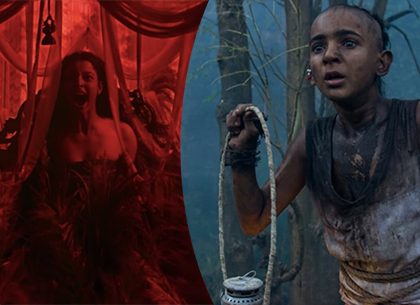
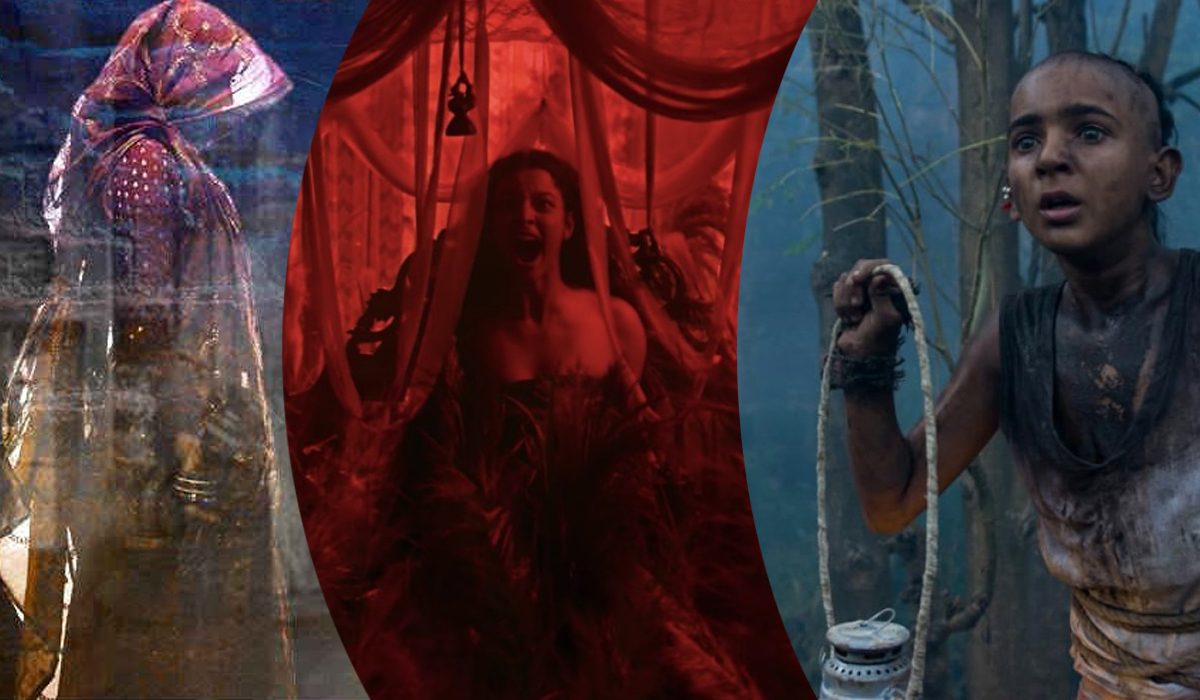
If we look at Hindi films, they definitely have a long way to go from the meek, predictable storylines and weak plots to truly match the global standards of horror. Most Hindi horror films tend to be a good spoof than spook the audiences due to the exaggerated ‘masala’ they put in and unnecessary after effects that ruin the film. They are too one-dimensional in their writing to actually leave any sort of impact on the audience. Although there have been some exceptions in recent times such as ‘Tumbbad’, ‘Stree’ and ‘Bulbbul’ among others.
The horror genre is one of the oldest and most expansive genres in the filmmaking world. The plethora of options to scare one is unlimited so which film will you be watching next?
We’re hiring!
We are hiring two full-time junior to mid-level writers with the option to work remotely. You need to work a 5-hour shift and be available to write. Interested candidates should email their sample articles to [email protected]. Applications without a sample article will not be considered.
